Avoid a €135 Fine: Get a Compliant Child Seat in a French VTC
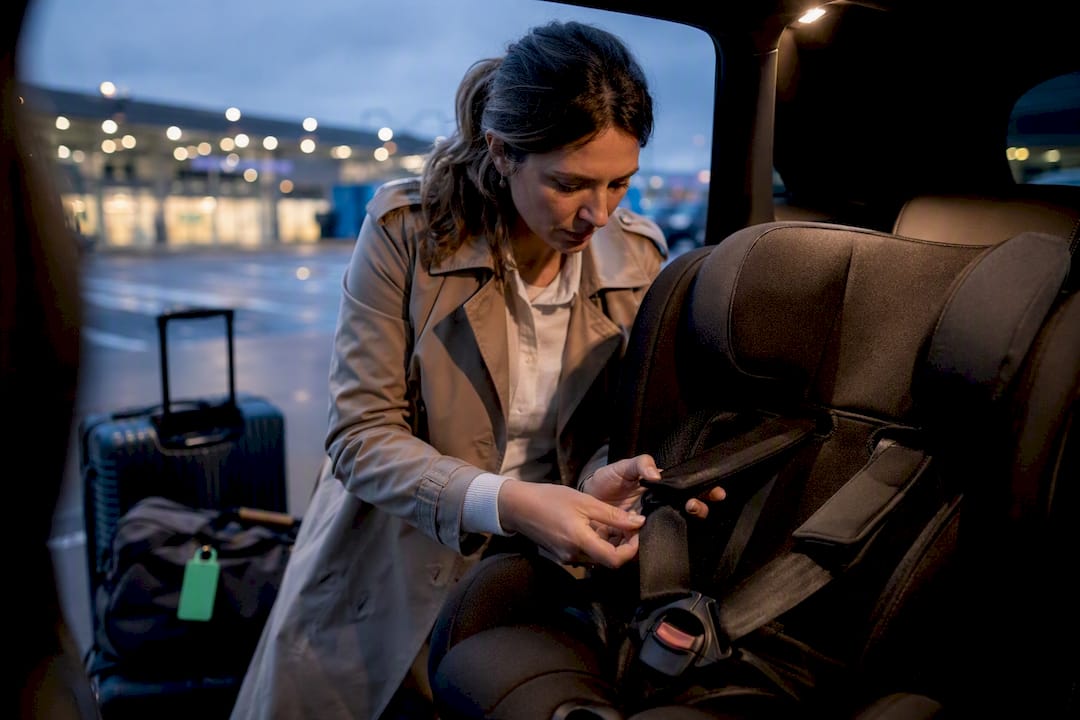
Yes. France requires an approved child restraint for anyone under 10 riding in a VTC, and drivers can legally refuse the trip without one. Taxis are the exception. If you’re booking a private hire vehicle for a family with kids, bring your own seat or confirm one is provided before the driver arrives. Skipping this can mean a fine and a real safety risk on the road.
TL;DR:
- Children under 10 in VTCs must travel in approved restraints, and drivers can refuse rides if none are available, making prebooking or bringing your own seat essential.
- Taxis are exempt from this requirement, but safety experts still recommend using proper restraints for all children regardless of legal exemptions.
- The fine for noncompliance is typically €135, but it increases to €375 if paid late, and liability usually falls on the accompanying adult in case of an accident.
- Pre-booking a family transfer with a confirmed child seat and using flight tracking or meet-and-greet services significantly reduces travel uncertainties and safety risks.
- Always verify that the seat model matches your child’s height and weight, and check the installation before departure, especially in hired vehicles relying on belt-compatible seats.
Table of Contents
- Siège Enfant VTC Obligation France: What the Law Actually Requires
- Does the Taxi Child Seat Exemption Apply to You?
- What Happens If You Skip the Child Seat: Fines and Liability
- Your Best Options for Traveling With Kids in a VTC or Taxi
- Which Child Seat Fits Which Age and Height
- How to Book an Airport Transfer With a Child Seat
- Why Pre-Booked, Seat-Equipped Transfers Beat Improvising
- Book a Family Transfer With the Right Seat Already Confirmed
- Sources
- FAQ
Siège Enfant VTC Obligation France: What the Law Actually Requires
The rule comes straight from the Code de la route, specifically Article R412-2, which says children under 10 must travel in an approved child restraint anytime they’re in a standard vehicle. A VTC counts as a standard vehicle under this law. There’s no carve-out for ride-hailing services, chauffeur bookings, or airport transfers. The obligation follows the child, not the type of car.
“Approved” has a specific meaning here. It refers to restraints carrying European homologation, marked either with the older ECE R44/04 group system (0, 0+, 1, 2, 3) or the newer i-Size standard (ECE R129), which classifies seats by the child’s height rather than weight. A seat bought at a French supermarket or a European retailer almost always meets this bar. What doesn’t count: a lap belt alone for a toddler, an adult holding a baby on their lap, or a seat with no visible approval label.
For VTC drivers and the families booking them, this translates into a few concrete responsibilities:
- Drivers can refuse the ride if no compliant seat is available and the passenger is under 10, since carrying an unrestrained child would put the driver in violation of the law.
- Parents are expected to arrive prepared, either with their own seat or with written confirmation from the VTC platform that one will be supplied.
- The 1.35-meter height threshold matters as much as age. A child under 10 who has already passed 1.35 meters may legally use the adult seatbelt without a booster, though many safety advocates recommend waiting longer.
- Boosters count as approved restraints for older kids, so the requirement isn’t limited to bulky infant seats.
Because VTC companies operate as licensed transport services rather than casual rides, they’re held to this standard the same way a rental car company or a private chauffeur would be.
Does the Taxi Child Seat Exemption Apply to You?
Here’s where things get confusing for a lot of parents: taxis are exempt from this requirement. Article R412-2 carves out a specific allowance for taxis, meaning a licensed taxi driver isn’t legally required to provide a child seat, and a parent boarding one without a seat isn’t breaking the law either.
That legal pass doesn’t erase the danger. Sécurité routière continues to recommend a proper restraint for every car trip, taxi or not, because the injury risk to an unrestrained child in a crash doesn’t change based on which regulation applies to the vehicle. The exemption is a legal technicality, not a safety endorsement.
A few practical things worth knowing if you’re weighing a taxi against a VTC:
- You’re allowed to decline a taxi ride and wait for one with a seat, or bring your own and ask the driver to help you install it.
- Taxi drivers generally must permit you to fit your own seat, though installation time can add a few minutes to the fare on a metered ride.
- If your child is under 1.35 meters and you have any doubt about safety, treat the taxi exemption as a loophole to avoid rather than a convenience to use.
What Happens If You Skip the Child Seat: Fines and Liability
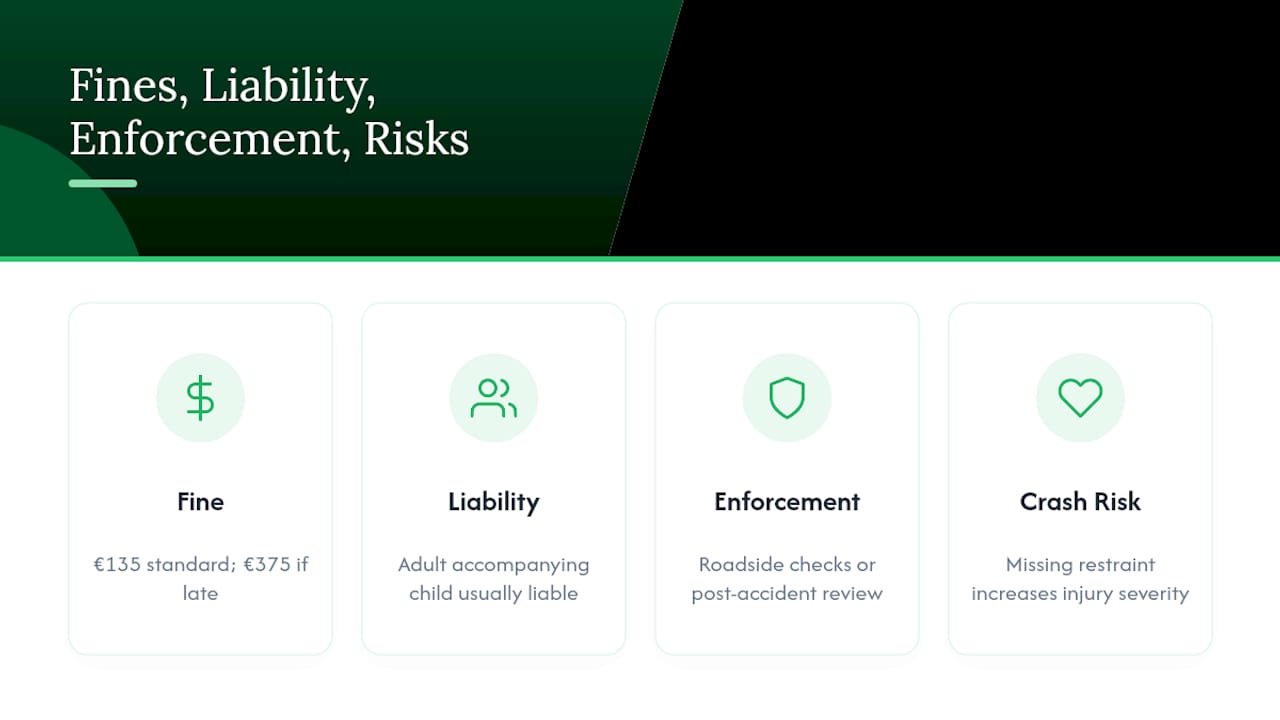
The penalty for noncompliance is a fourth-class fine, which the Service-public.gouv.fr guidance sets at €135 standard, rising to €375 if payment is late. That’s the same fine bracket used for other Code de la route infractions like certain seatbelt violations, and it applies regardless of who was actually driving.
Liability in a VTC generally falls on the adult accompanying the child, not the driver, since the driver typically has no way to verify a family’s seat situation before pickup unless it was specified at booking. Some VTC platforms build seat confirmation into the reservation flow precisely to shift that responsibility earlier, before the car ever arrives.
Enforcement in practice tends to happen two ways: a roadside check by police, or a review after an accident. Insurance assessments and road-safety authorities routinely flag missing child restraints as a contributing factor in injury severity, which can complicate claims even when the crash itself wasn’t the parent’s fault. The fine is the smaller problem. The bigger one is what happens in a crash without proper restraint.
Your Best Options for Traveling With Kids in a VTC or Taxi
You have four realistic paths, ranked by reliability:
- Bring and install your own seat. This gives you full control over the model, the fit, and the installation quality, and it works in both VTCs and taxis. The downside is obvious: hauling a car seat through an airport or train station is a hassle, especially with connecting flights or heavy luggage.
- Prebook a VTC or transfer that explicitly includes a child seat. Reliable providers list this as a bookable option and let you specify the child’s age or weight at reservation. This removes the guesswork but only works if you confirm the seat type in advance rather than assuming one will show up.
- Use a certified portable travel seat. Lightweight i-Size travel models exist for exactly this situation. Check that the seat carries a genuine homologation label, has a stated expiry date, and is compatible with a standard 3-point belt, since not every travel seat installs correctly in every car.
- For a short, last-minute city trip, a taxi with your own seat is the fallback. Not the seatless taxi itself. Reserve this option for situations where prebooking wasn’t possible, not as a default choice.
For airport transfers specifically, option two tends to make the most sense given the luggage, jet lag, and unfamiliar city factored in.
Pro Tip: When booking, specify the exact seat group or i-Size category your child needs, and ask the company to confirm with a photo of the actual seat model before pickup day. A vague “yes we have child seats” answer isn’t a confirmation. A photo of the specific model is.
Which Child Seat Fits Which Age and Height
France’s child restraint rules run on two overlapping classification systems, and knowing which one applies to your situation avoids a lot of confusion at pickup.
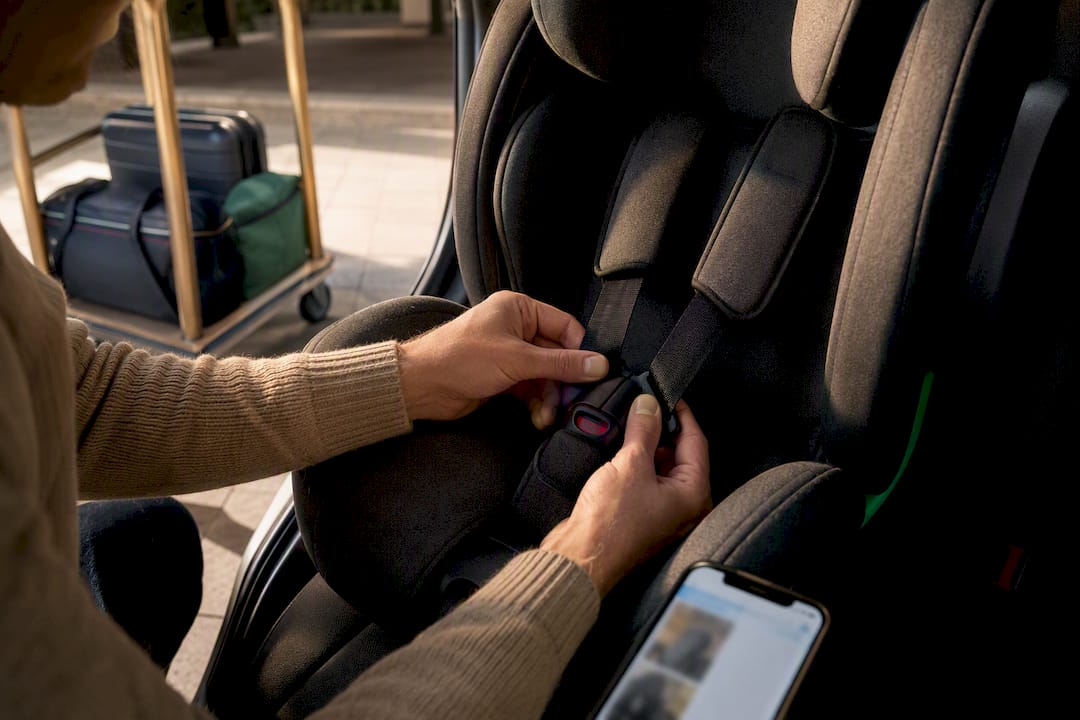
Most VTCs and private hire vehicles rely on a 3-point seatbelt rather than Isofix anchors, since Isofix requires a fixed connector built into the car’s frame that rental and chauffeur fleets don’t always have. A belt-compatible seat is the safer bet for any hired vehicle, VTC or taxi.
Before any trip, run through these checks on the seat itself, whether it’s yours or one supplied by the driver:
- Confirm the homologation label is visible and legible, not worn off or missing.
- Check the expiry date. Most seats carry a usable life of around 6 to 10 years from manufacture.
- Verify the installation type matches the vehicle. A belt-only seat won’t work safely in a car with damaged or oddly positioned seatbelts.
- Make sure the seat’s stated height range actually matches your child’s current height, not just their age.
How to Book an Airport Transfer With a Child Seat
Airport transfers are where seat logistics matter most, since you’re usually dealing with luggage, tired kids, and an unfamiliar arrival city all at once. Pre-booked transfers solve this by locking in the seat type before you ever land, and services that combine flight tracking with a meet and greet reduce the odds of standing at arrivals with a car that isn’t equipped for your family.
When you book, give the exact details: child’s age, weight, and height if you know it, plus how many children need seats. For a busy airport like Paris Charles de Gaulle, book at least 48 hours ahead during peak travel periods, since seat-equipped vehicles are a smaller subset of any fleet and get reserved first. Reviewing family vehicle options before you book helps you match the car size to your seat and luggage needs.
At pickup, run a quick check before you load the kids in:
- Confirm the seat model matches what you requested, not just “a child seat.”
- Check the installation before departure, not after you’re already moving.
- Ask what the backup plan is if the seat is wrong or missing. A driver without a resolution on the spot is a red flag.
Why Pre-Booked, Seat-Equipped Transfers Beat Improvising
Most of the stress around child seats and VTCs comes from uncertainty, not the law itself. The rule is clear enough. What trips families up is showing up at an airport with no idea whether the car waiting for them actually has the right restraint installed.
Flight tracking and a proper meet and greet solve a problem parents don’t think about until it’s happening to them: a delayed flight throwing off a pickup window, or a driver waiting curbside with the wrong seat because nobody confirmed the child’s age in advance. A fixed price agreed before departure also means you’re not negotiating installation time or seat availability at the curb with a tired toddler in tow. Family-sized vehicles built for the trip, not adapted at the last minute, make the whole arrival smoother.
If you’re weighing whether to improvise with a street-hailed taxi or lock in a transfer ahead of time, the deciding factor should be how much you actually know about the car showing up. Confirmed seat type beats “we’ll figure it out at the curb” every time.
— Arthur
Book a Family Transfer With the Right Seat Already Confirmed
Zont Cab solves the exact problem this article just walked through: instead of gambling on whether your VTC or taxi shows up with a compliant seat, you specify what you need before the car ever leaves for pickup.
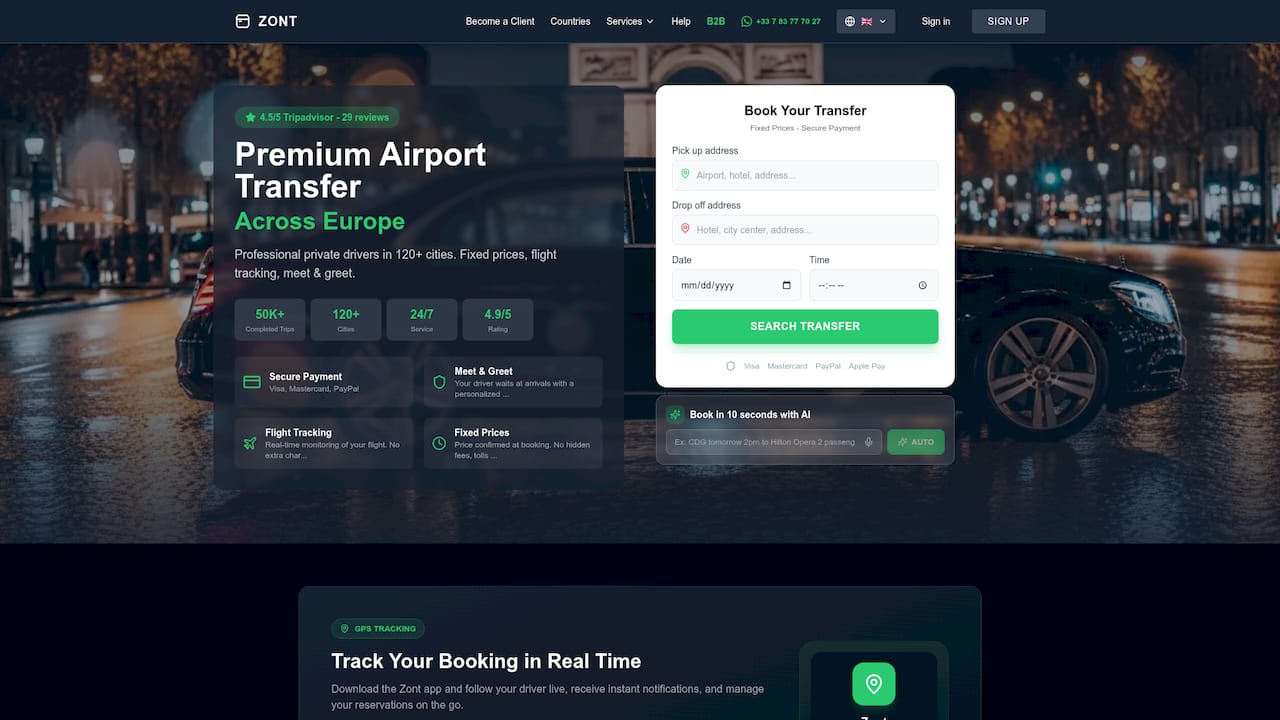
Families booking through Zont Cab can request the seat type at reservation, whether that’s an infant seat, a group 1 model, or a booster for an older child, and get it confirmed rather than promised in vague terms. Combined with flight tracking, a proper meet and greet, and fixed pricing across 120+ European cities, you land knowing the car is already equipped correctly. For families needing more room for multiple kids and their gear, the 7-seat minivan option handles bulkier setups without cramming everyone in. When you book, confirm the vehicle type, the exact seat model, and how many seats you need. Check availability for your dates and lock in your Paris airport transfer before your travel window fills up.
Sources
- Service-public
- Légifrance — Article R412-2 (Code de la route)
- Sécurité routière — Transporting a child in a car (guidance and safety)
FAQ
Does Uber provide a child seat?
Standard Uber rides in France don’t guarantee a child seat unless you’ve booked a specific family or car-seat option where available, so confirm this in the app before relying on it. Bringing your own seat remains the safer default for any ride-hailing booking.
What are the child seat obligations for VTCs in France?
VTCs must comply with Article R412-2, meaning any child under 10 needs an approved restraint, and drivers can refuse the trip without one. This applies the same way it would to a private car.
Is a car seat required in a taxi in France?
No. Taxis carry a legal exemption from the child restraint requirement, though Sécurité routière still recommends using one for safety regardless of the legal pass.
Is it mandatory to use a car seat for children in France generally?
Yes, in standard vehicles including VTCs, children under 10 must use an approved restraint under Article R412-2, and noncompliance entails a fourth-class fine, typically around €135, increasing if paid late. Taxis are the sole exemption in French law.